
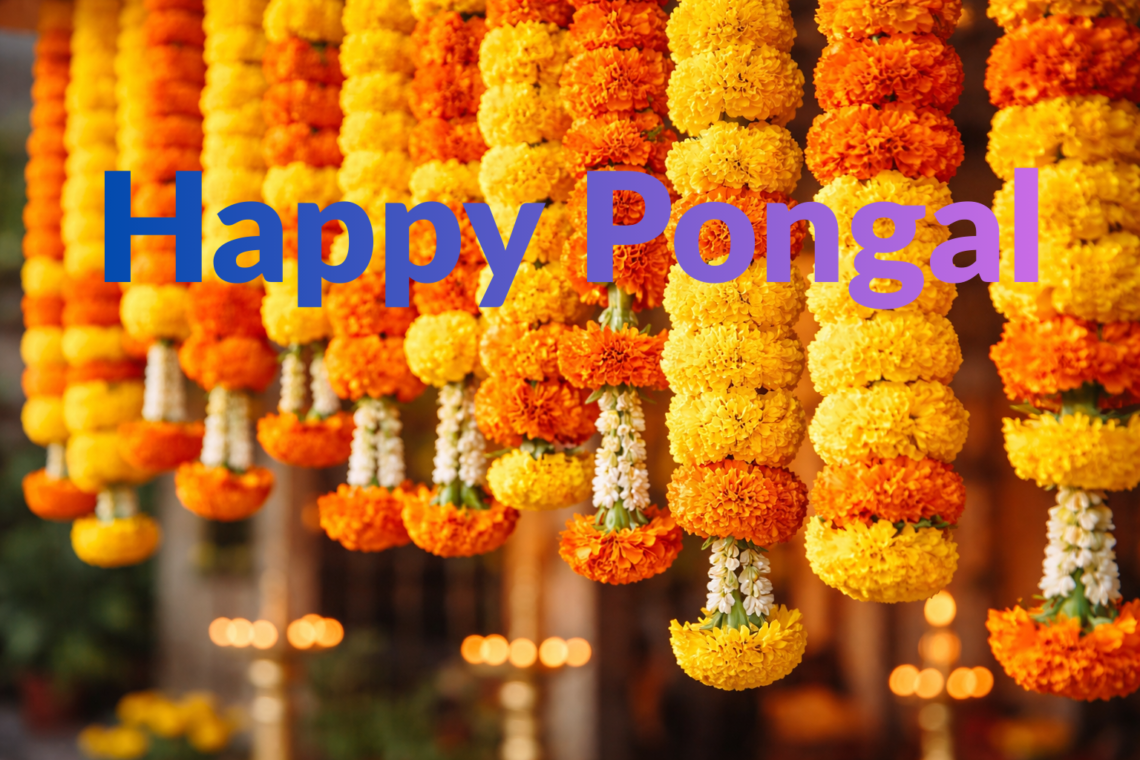
Pongal Traditions in Canada
January always feels like magic. The Western New Year bursts in—confetti, cheers, and planners ready for new adventures. Just as the party winds down, Pongal tiptoes in—sunny, grounding, and full of heart. Living in Canada, I get to celebrate both: one that sparks big dreams, and one that fills me with gratitude.
Being Sri Lankan in Canada means dancing between worlds—celebrating roots and making new memories. It’s the best of both!
The Western New Year is all about big energy—laughter in the streets, fireworks painting the night, everyone ready to take on the world. Pongal, on the other hand, turns us inward. Then, Pongal offers the perfect excuse to slow down, sip tea, and count blessings—a yin and yang of chasing dreams and soaking up what we already have.
Pongal mornings in Sri Lanka meant smoky air and families buzzing around their outdoor kitchen. Now in Canada, the kitchen steams, and the winter chill makes coziness indoors feel magical.
But no matter where you are, the heart of Pongal is that trusty clay pot—sturdy, earthy, and totally iconic. Rice, milk, jaggery (brown sugar or sugar cane), and spice bubble away, and when the milk finally spills over, we all break out in happy shouts: “Pongalo Pongal!”
In Canada, the pot sits on an electric stove instead of out in the yard, but the magic is still there. The bubbling over means abundance, just like before. Sometimes it’s a little quieter, sometimes a kitchen party for two, but the joy is always real.
Sweet Pongal Recipe (Sri Lankan Style)
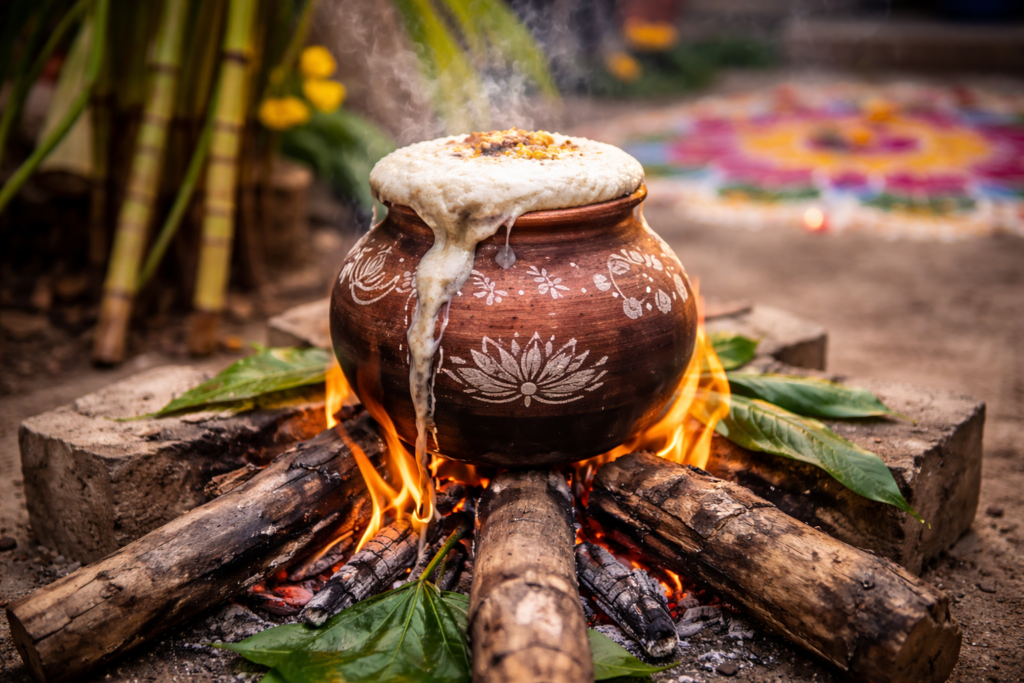
Want to try your hand at the festival’s star dish? Here’s a cozy, classic recipe for sweet Pongal that brings warmth to any winter kitchen!
Ingredients:
- 1 cup raw rice
- ½ cup split yellow moong dal (optional, but recommended)
- 2½ cups water (for cooking)
- 2 cups whole milk
- 1 cup grated jaggery (or brown sugar)
- 2–3 tbsp ghee (clarified butter)
- 8–10 cashew nuts
- 8–10 raisins
- 4–5 cardamom pods (crushed)
- Pinch of salt
Instructions:
- Rinse the rice (and moong dal, if using) together. In a pot, add rice, dal, and water. Cook until soft.
- Stir in the milk and simmer gently. The mixture should be creamy; add more milk if needed.
- In a small pan, melt jaggery with a splash of water. Strain to remove impurities and add to the rice mixture. Mix well.
- Heat ghee in a pan. Fry cashews until golden, then add raisins and cardamom. Pour this fragrant mix into your Pongal.
- Add a pinch of salt, stir, and simmer for a few minutes until everything is luscious and aromatic.
- Serve warm—ideally as the centerpiece of your Pongal celebration!
However you make it, let your kitchen fill with sweetness, spice, and celebration.
Sri Lankan homes across Canada gather early—sometimes after brushing snow from their steps—carrying forward a tradition that refuses to be forgotten.
Sugarcane is not hard to find in the Canadian winter (not a surprise)! Sometimes we get creative—fruit, coconut, or any green thing works. Turmeric leaves? Maybe not, but the spirit stays. This is how traditions adapt—not by disappearing, but by reshaping themselves. What never changes is the spirit: gratitude for harvest, work, and continuity—especially for those who carry more than one homeland in their hearts.
Tamil temples and cultural groups across Canada throw Pongal parties that gather by the hundreds—sometimes! You’ll spot:
- Children dressed in traditional attire, learning songs and dances
- Elders explaining rituals to younger generations
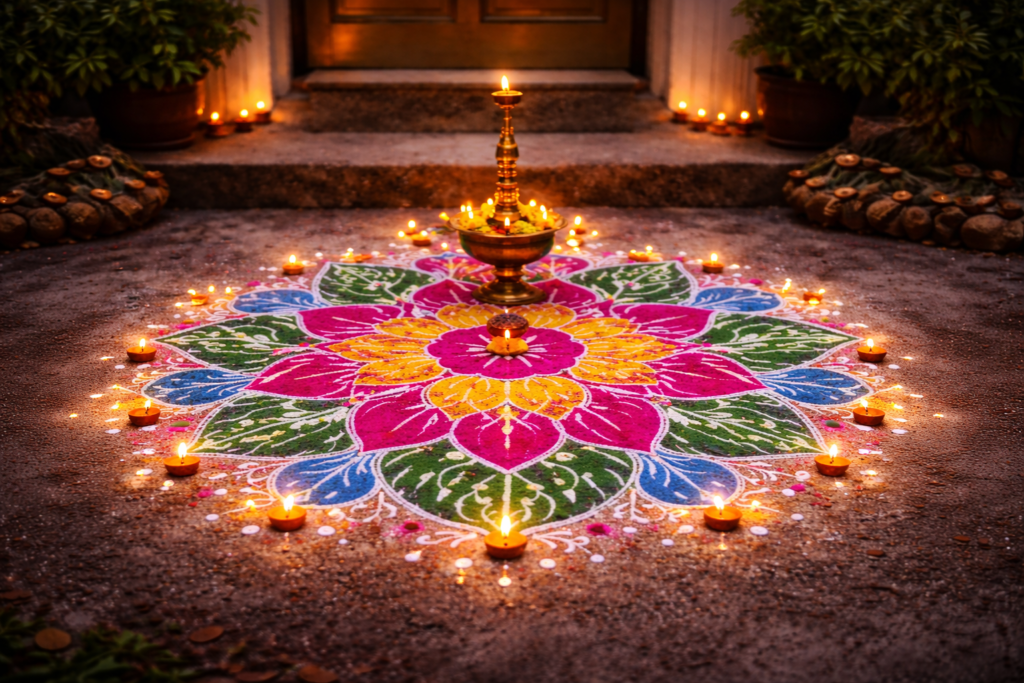
- Kolams drawn in hallways
- Sweet and savoury pongal served on banana leaves or paper plates
- Tamil, English, and French blending into one shared hum of celebration
For anyone who remembers Pongal as a big village bash, these Canadian get-togethers bring a taste of home—and plenty of belonging—right here in the snow.
For many Sri Lankan parents in Canada, Pongal is about sharing stories—not perfection. Kids born here might not remember harvest fields or open flames, but they learn the stories—why we wait for the milk to bubble over, why we pause, and why gratitude matters anywhere. They discover that culture isn’t something you leave behind—it’s something you carry, remix, and pass along.
If I could snap photos of Pongal—old-school and new—they’d look something like this:
- A clay pot bubbling over in Sri Lanka, flames licking its base.
- That same pot in Canada, steaming quietly against a frost-covered window.
- Kolams drawn on sun-warmed earth and on snowy thresholds.
- Children learning traditions they didn’t grow up with—but carry forward anyway.
- Plates passed across tables where cultures meet, and stories overlap.
I love that January doesn’t settle for just one fresh start—it gives us a double dose of new beginnings! The Western New Year invites intention. Pongal invites gratitude.
Whether it’s under a blazing sun or falling snow, when the pot bubbles over and we shout Pongalo Pongal, it feels just right—like we’re exactly where we’re meant to be.
May your year begin loudly or quietly—whether through Western New Year celebrations or the gentle rituals of Pongal. As Sri Lankans celebrate Pongal in Canada and around the world, this harvest festival reminds us that gratitude, abundance, and renewal are not tied to place, but to intention. May your Pongal—and the year ahead—overflow with warmth, meaning, and connection, wherever you celebrate.
பொங்கல் வாழ்த்துக்கள் | Happy Pongal

