
Hair Loss During Perimenopause: What’s Happening & What Actually HelpsHair Loss During Perimenopause
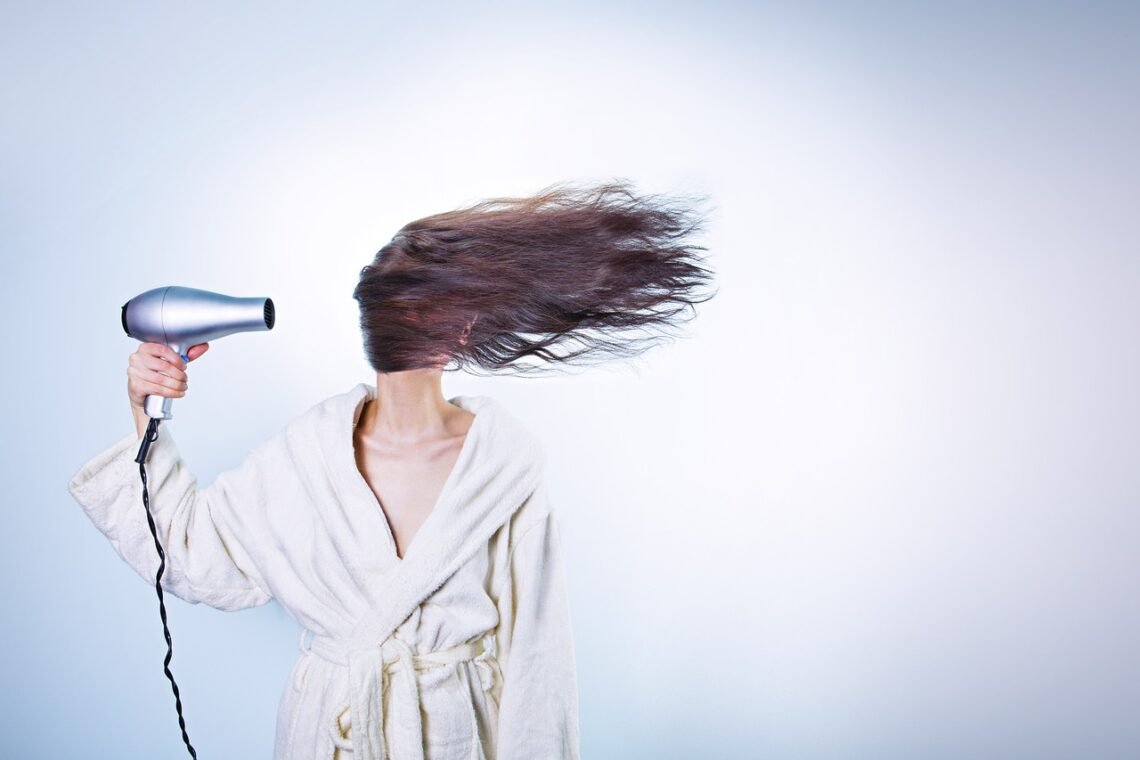
If you’re in perimenopause and noticing more hair in the shower drain, on your pillow, or tangled in your brush — you’re not imagining it. Hair thinning and shedding are very real, very common, and for many women, deeply emotional.
Perimenopause is a season of hormonal renegotiation. Your body is doing a lot behind the scenes, and your hair is often one of the first places it shows. The good news? There are gentle, supportive ways to care for your hair and scalp during this transition — without panic, pressure, or perfection.
Let’s talk about what’s happening and what actually helps.
Why Hair Loss Happens During Perimenopause
During perimenopause, estrogen levels fluctuate and gradually decline. Estrogen plays a role in keeping hair in its growth phase longer, so when it drops, hair may:
- Shed more quickly
- Grow more slowly
- Become finer or drier
- Feel less dense overall
At the same time, relative androgen (testosterone) dominance can contribute to thinning, especially around the temples or crown.
Add in stress, sleep disruption, nutritional shifts, and inflammation, and hair often becomes collateral damage. This isn’t failure. This is physiology.
What “Normal” Hair Loss Looks Like in Perimenopause
- Increased shedding (especially during washing or brushing)
- Ponytails feeling thinner
- Slower regrowth
- Texture changes (drier, frizzier, more fragile)
What matters most is supporting scalp health, reducing breakage, and creating the best environment for regrowth — not chasing overnight fixes.
Gentle, Helpful Ways to Support Hair Health
1. Focus on the Scalp First
Healthy hair starts at the scalp. Regular scalp massage increases circulation and helps deliver nutrients to hair follicles.
This is where rosemary oil shines.
Affiliate Pick: Rosemary Hair Oil with Biotin, Jojoba & Castor Oil
This rosemary oil blend combines several powerhouse ingredients:
- Rosemary oil – supports circulation and scalp health
- Biotin – helps strengthen hair structure
- Castor oil – supports thickness and reduces breakage
- Jojoba oil – mimics the scalp’s natural oils, helping with dryness and irritation
How to use:
- Massage into scalp 2–3 times per week
- Leave on for 30–60 minutes (or overnight if your scalp tolerates it)
- Wash out gently
This works best as a ritual, not a rescue.
2. Be Kind to Your Hair Length
During perimenopause, hair is more prone to breakage. Treat it like delicate fabric.
Helpful swaps:
- Microfiber hair towel instead of rough cotton
- Wide-tooth comb or detangling brush
- Avoid tight styles that pull at the scalp
Affiliate Pick: Microfiber Hair Towel Wrap
Reduces friction and breakage while speeding up drying time — especially helpful for fragile hair.
3. Nourish From the Inside (Without Obsession)
Hair loss isn’t just about what you put on your head — it’s also about what your body has access to.
Key nutrients during perimenopause:
Affiliate Pick: Women’s Biotin + Collagen Supplement
A gentle supplement that supports hair, skin, and nails — helpful if dietary intake is inconsistent.
4. Reduce Inflammation Where You Can
Chronic stress and inflammation can push more hair into the shedding phase.
Simple supports:
- Gentle movement (walking, yoga, stretching)
- Adequate sleep (easier said than done, I know)
- Magnesium-rich foods or supplements
Affiliate Pick: Magnesium Glycinate Supplement
Often used to support sleep quality, muscle relaxation, and nervous system regulation — all of which indirectly support hair health.
5. Choose Gentle Hair Care Products
Avoid harsh shampoos that strip the scalp.
Look for:
- Sulphate-free formulas
- Moisturizing ingredients
- Products designed for thinning or mature hair
Affiliate Pick: Kitsch Rosemary & Biotin Shampoo Bar
Supports scalp stimulation without being overly harsh.
What Doesn’t Help (and Causes More Stress)
- Panic-buying every “miracle” hair product
- Over-washing or aggressive brushing
- Expecting instant regrowth
- Comparing your hair to your 25-year-old self
Hair changes during perimenopause are not a personal failure — they’re a biological shift.
Transparency & Disclosure
I’m not a medical doctor or healthcare professional. The information shared here is based on my personal lived experience, research, and conversations with other women navigating perimenopause. Everybody is different, and if you have health concerns or persistent hair loss, please consult a qualified healthcare provider.
This post may contain affiliate links. If you choose to purchase through them, I may earn a small commission at no extra cost to you. I only share products I genuinely use, trust, or would personally consider as part of a supportive self-care routine.

You May Also Like